



Is your business ready for winter? Could everyday hazards be putting your employees, customers or visitors at risk?
Winter brings darker mornings, colder weather and shorter days. For small and medium-sized enterprises (SMEs), these changes can create extra risks in the workplace.
Wet leaves, icy paths, poor lighting and slippery entrances may seem like small problems. However, one slip or fall could cause a serious injury. It could also disrupt your business and lead to unexpected costs.
Whether you run a construction company, warehouse, restaurant, shop or office, preparing for winter is important.
The good news? Winter workplace safety doesn’t need to be complicated or expensive.
A few simple checks can help keep people safe.
So, when did you last walk around your workplace and look for winter hazards?
Why Does Winter Workplace Safety Matter?
Cold weather can create risks that aren’t always present during the warmer months.
Rain, frost, snow and fallen leaves can make paths slippery. Shorter days can also make hazards harder to spot.
For smaller businesses, even one workplace accident can have a major impact. An injured employee may need time off, and work could be delayed.
The Health and Safety Executive (HSE) provides advice on preventing slips and trips during winter.
The key is to spot hazards early and take sensible action.
1. Are Your Walkways, Entrances and Car Parks Safe?
Think about the routes people use every day.
Are your entrances clear of wet leaves? Are paths free from ice? Does water collect anywhere after heavy rain?
These problems can easily be missed during a busy working day.
What should your SME check?
-
Inspect entrances, steps, paths and car parks.
-
Clear wet leaves, debris and standing water.
-
Identify areas where ice is likely to form.
-
Arrange gritting when freezing weather is expected.
-
Check that entrance mats are safe and in good condition.
-
Use barriers and safe alternative routes where needed.
If you share a building with other businesses, make sure everyone knows who is responsible for keeping outdoor areas safe.
Remember: Putting up a warning sign isn’t enough if the hazard can be removed or made safer.
2. Is Your Workplace Lighting Good Enough?
During winter, employees may arrive at work in darkness and leave after sunset.
An entrance that looks safe during the day could be difficult to use at night.
Poor lighting can make it harder to see steps, uneven ground and other hazards.
Ask yourself:
-
Can employees clearly see paths and entrances?
-
Are car parks and delivery areas well lit?
-
Can visitors identify safe walking routes?
-
Are broken lights reported and repaired promptly?
Try walking around your premises early in the morning or after dark.
You may spot problems that aren’t obvious during daylight hours.
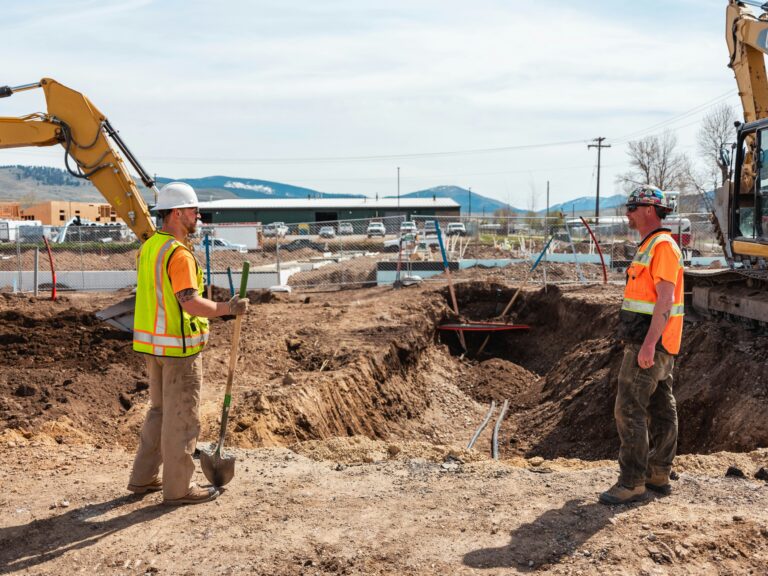
3. Are Your Employees Safe Working Outdoors?
Winter can be challenging for employees who work outside.
This includes workers in construction, landscaping, maintenance, engineering and other outdoor jobs.
Cold temperatures, strong winds and wet weather can make tasks more difficult. They may also affect concentration and the safe use of equipment.
What should employers consider?
-
Provide suitable clothing for cold and wet conditions.
-
Make sure employees can access warm welfare facilities.
-
Allow suitable breaks when working in the cold.
-
Check that outdoor work areas remain safe.
-
Review tasks when weather conditions change.
-
Stop or delay work if it cannot be carried out safely.
For example, icy conditions may make access equipment unsafe to use. Strong winds may also affect some lifting or work-at-height activities.
The HSE offers guidance on working outdoors in cold weather.
The priority should always be safe working, not simply getting the job finished.
4. Have You Considered Customers, Visitors and the Public?
Health and safety isn’t just about protecting employees.
Many SMEs welcome customers, visitors, suppliers and delivery drivers onto their premises.
Think about a customer entering a shop on a wet morning. Or a delivery driver crossing an icy car park.
Could they slip, trip or come into contact with moving vehicles?
Simple safety measures include:
-
Keeping entrances and walking routes clear.
-
Separating pedestrians from vehicles where needed.
-
Using suitable barriers around unsafe areas.
-
Providing clear warning signs.
-
Making safe alternative routes available.
-
Checking conditions throughout the day.
If an area becomes unsafe, take action before someone gets hurt.
A safe workplace should protect everyone who may be affected by your business activities.
5. When Did You Last Review Your Winter Risk Assessment?
Risk assessments shouldn’t be completed once and then forgotten.
The risks in your workplace can change throughout the year.
For example, a risk assessment completed in summer may not fully cover icy paths, poor winter lighting or cold-weather working.
You don’t always need a completely new assessment. You may simply need to review and update the one you already have.
Your winter risk assessment should consider:
-
What could cause harm?
-
Who might be affected?
-
What safety measures are already in place?
-
Are those measures still working?
-
Do you need to take any further action?
-
Who will carry out the checks?
-
When will the actions be completed?
Make sure employees know how to report hazards, accidents and near misses.
You should also check that any actions are completed and the safety measures work in practice.
At Craven Consultancy Services, we help SMEs review risk assessments and improve workplace safety.
Don’t Forget to Speak to Your Team
Your employees often know where problems occur.
They may have noticed a slippery entrance, poor lighting or an unsafe route that management hasn’t seen.
Why not ask them?
A short team discussion or toolbox talk could help identify risks before someone gets hurt.
Ask employees whether they have noticed any winter hazards. Make sure they know who to report concerns to.
Most importantly, act on the feedback you receive.
Good health and safety often starts with a simple conversation.
Five Winter Safety Priorities for Your SME
Before the colder weather creates problems, focus on these five checks:
-
Keep access routes safe. Check paths, entrances and car parks for slip and trip hazards.
-
Review lighting. Make sure employees and visitors can see clearly during darker hours.
-
Protect outdoor workers. Consider suitable clothing, welfare facilities, breaks and changing weather.
-
Think about everyone. Protect employees, customers, contractors and members of the public.
-
Review risk assessments. Check that your safety measures still work during winter.
These steps don’t have to cost a fortune. Regular checks, good communication and early action can prevent accidents.
How Can Craven Help Your SME Prepare for Winter?
At Craven Consultancy Services, we understand that running a business comes with plenty of responsibilities.
Health and safety is important, but it doesn’t need to create unnecessary paperwork or take up all your time.
We help small and medium-sized businesses manage risks and put sensible safety measures in place.
Our services include:
-
Health & Safety Support – Help with risk assessments, safety procedures and everyday workplace concerns.
-
Health & Safety Support Options – Flexible advice and support to suit different business needs.
-
Free Mini Health & Safety Audit – Helping businesses identify possible gaps in their arrangements.
-
Health & Safety Toolkit – Useful documents and resources to support safer working.