



Work-related ill health can develop quietly. Recognising the risks early can make a lasting difference to employees’ health.
When people think about health and safety, they often picture an accident: a fall, a machinery injury or someone slipping on a wet floor.
These incidents are usually immediate and noticeable. Work-related ill health can develop much more quietly.
Someone may finish every shift without an accident, while their work gradually affects their hearing, breathing, skin, physical comfort or mental health. By the time the problem becomes obvious, it may already be affecting their everyday life.
We need to keep bringing the health part of health and safety into everyday conversations.
What is occupational ill health?
Occupational ill health describes illness or health conditions caused or made worse by work. It includes work-related stress, musculoskeletal disorders, occupational lung disease, skin conditions, hearing damage and conditions associated with exposure to vibration.
The scale is significant. HSE estimates that 1.9 million working people in Great Britain were suffering from work-related ill health in 2024/25, including new and longstanding cases. Stress, depression or anxiety accounted for 52% of those cases.
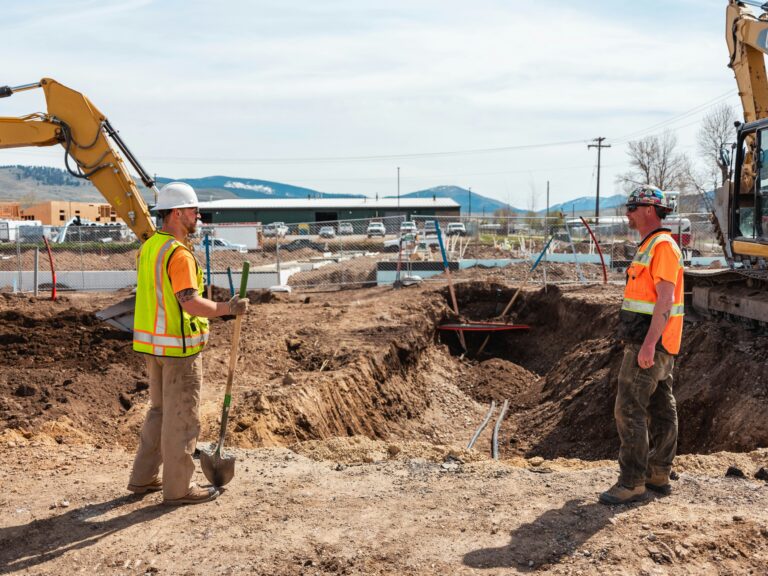
These risks deserve attention across all workplaces, including offices, cleaning operations, workshops and construction sites.
Why does it still get overlooked?
The effects may take time to appear. Some occupational diseases develop many years after exposure. HSE highlights that current deaths from occupational lung disease reflect past working conditions. This delay can make the connection between someone’s work and their health less obvious.
Symptoms can become accepted as part of the job. Comments such as “everyone gets aches doing this” or “it’s always stressful here” should prompt questions. When discomfort or excessive pressure becomes normalised, opportunities to investigate and prevent further harm can be missed.
People may carry on working while unwell. This is often described as presenteeism. An employee being at work does not necessarily mean they are well, comfortable or able to work safely.
Businesses may focus heavily on accident figures. An accident-free year is positive, but it does not tell you whether employees are being exposed to harmful dust, excessive noise, repetitive strain or unmanageable workloads.
Employees may feel uncomfortable speaking up. A positive safety culture needs to make it easy for people to raise health concerns and understand what will happen when they do.
Why is HSE focusing on this now?
Preventing work-related ill health is a clear priority in HSE’s current plans. Its published approach for 2026–2027 includes targeted interventions on health risks and expanding the reach of its Working Minds campaign.
Recent activity reinforces that message. In October 2026, HSE highlighted the prevention of hearing damage and vibration-related ill health, alongside renewed calls for employers to identify and act on work-related stress.
You can read more through HSE’s latest health campaigns and its Working Minds campaign.
For employers, the practical message is clear: understand the health risks in your business and take action before harm develops.
What should employers be doing?
Start by looking at how work is actually carried out. Do your risk assessments properly consider health risks, as well as immediate safety hazards? Are the controls being used, maintained and checked?
Useful areas to review include:
- Exposure prevention: Can harmful substances, noisy equipment or strenuous tasks be eliminated, substituted or redesigned?
- Psychosocial risks: Consider workload, working patterns, support, relationships and how organisational change is managed.
- Employee involvement: Ask workers which tasks cause discomfort, concern or difficulty, and act on what they tell you.
- Early intervention: Make sure employees know how to report symptoms and managers know how to respond.
- Health surveillance: Establish whether checks are required for particular exposures, with advice from a competent occupational health professional where appropriate.
Health surveillance can help identify early signs of work-related ill health and inform improvements to controls. It must be appropriate to the risks and used alongside effective prevention measures. A general wellbeing initiative does not fulfil the same purpose. HSE’s health surveillance guidance explains this further.
Giving health the attention it deserves
Workplace wellbeing starts with the conditions people work in: the equipment they use, what they are exposed to, the demands placed on them and the support available.
At Craven Consultancy Services, we help businesses identify these risks and turn their assessments into practical action.
If your health and safety arrangements focus mainly on preventing accidents, it may be time to look more closely at how work could be affecting your employees’ health.
Get in touch with Craven Consultancy Services for support reviewing your workplace health risks and identifying proportionate next steps.
Contact Us – Craven Consultancy Services
Environmental Services – Craven Consultancy Services
Health & Safety Services – Craven Consultancy Services